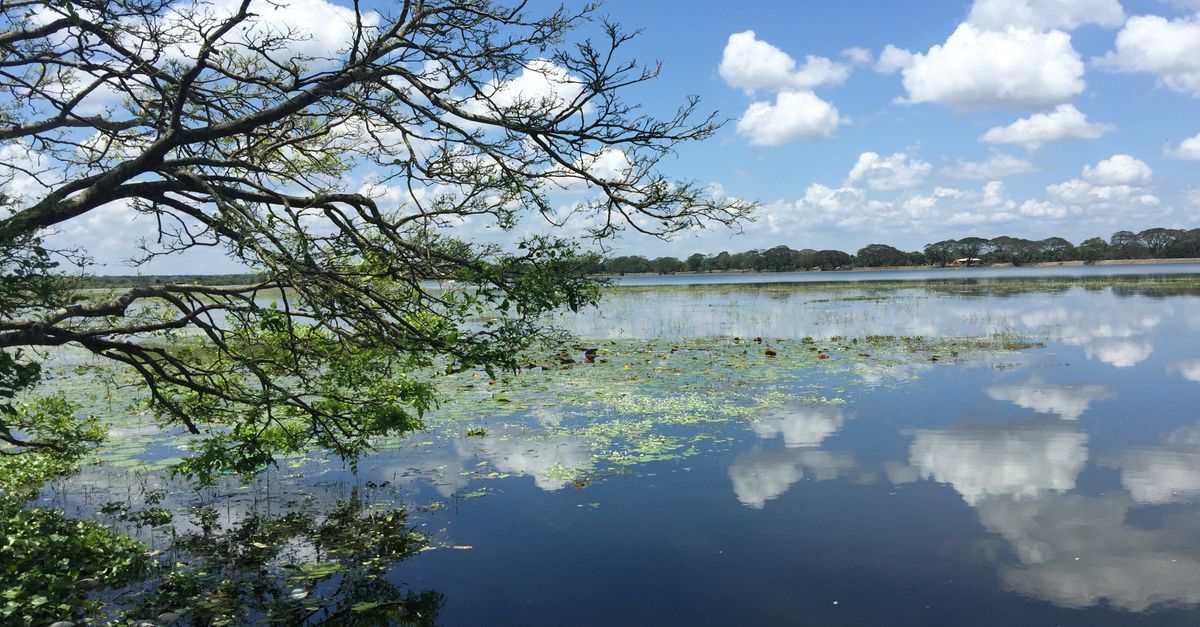
Anuradhapura Travel Guide - practical advice with names and honest picks.
Anuradhapura was Sri Lanka's capital for over 1,300 years, from the 4th century BCE until 1017 CE. Its Sacred City spans roughly 40 square kilometres of stupas, monastery ruins, and reservoirs built for an urban population once estimated near a million. Monks still live and worship here, so the ruins function as active religious sites rather than museum pieces. Most visitors base themselves two or three days, cycling between sites in the cool hours of morning and evening.
Many guides treat Anuradhapura as a half-day stop squeezed between Dambulla and Sigiriya, which undersells a site that covers more ground than Polonnaruwa and Sigiriya combined. The ruins aren't roped-off museum pieces; working monasteries and pilgrims move through the same spaces as sightseers, so the atmosphere is closer to a living town than an archaeological park. Guides also overstate the crowds. In practise the site rarely feels busy outside Poson and Vesak poya days. For specific picks, see best things to do in Anuradhapura.
Why visit
Anuradhapura rewards visitors who want religious history that's still practiced rather than preserved behind glass. The scale alone, dozens of monuments spread across 40 sq km of former city, makes two unhurried days of cycling worth more than a rushed stopover. It also pairs naturally with Mihintale and Polonnaruwa for travellers building a wider ancient cities route.
When to visit
The best time to visit Anuradhapura is May to September. Avoid: The wettest months are October to November, with 24 to 25 wet days a month (Open-Meteo averages, 2015 to 2024)..
Getting there
Notable connections:
- Wilpattu National Park (70km, approximately 1.5 hours)
- Aukana Buddha Statue (45km, approximately 1 hour)
- Polonnaruwa (60km, approximately 1.5 hours)
Getting around
- Bicycle rental from guesthouses
- Tuk-tuk hire for a half-day loop
- Local buses to New Town and the train/bus stations
- Private car with driver for day trips to Mihintale or Wilpattu
- Train from Colombo Fort, approximately 4-4.5 hours: second class
Day-to-day:
- Tipping: Tipping isn't expected but is appreciated: round up tuk-tuk fares and leave approximately 10% at sit-down restaurants without a service charge.
- Dress code: Cover shoulders and knees at all religious sites, and remove shoes and hats before stepping onto stupa platforms. Elsewhere, light cotton clothing suits the Dry Zone heat, which regularly tops 32C.
- Water: Don't drink tap water.
- SIM cards: Dialog or Mobitel SIM cards are sold at Colombo airport and in New Town shops
- Safety: The main practical risks are heat exhaustion while cycling midday and dengue in the rainy months of October to December.
- Plugs: Type D, M and G sockets in use, 230V. Bring an adapter, UK plugs (Type G) often fit directly.
- Emergency: 119 (police), 1990 (Suwa Seriya ambulance)
Where to stay
Most independent travellers base themselves around Tissawewa or the New Town, both a 10-15 minute cycle from the Sacred City.
Areas to consider:
Budget
Budget figures depend on travel style and season - book accommodation 4-6 weeks ahead for the best rates in Anuradhapura.
Common mistakes to avoid
- Trying to walk the Sacred City instead of cycling, distances between sites run 2-5km apart across 40 sq km.
- Wearing shorts or sleeveless tops to Jaya Sri Maha Bodhi or Ruwanwelisaya, shoulders and knees need covering and shoes come off.
- Visiting the stupas at midday, the white sand courtyards get hot enough to burn bare feet by 11am.
- Booking only a half-day stop, which covers maybe a third of the main sites properly.
- Assuming the round ticket covers everything, it doesn't include the Archaeological Museum or Mihintale separately.
More on Anuradhapura
Start with the main Anuradhapura page if this is your first read.
We plan trips to Anuradhapura and the rest of Sri Lanka. Tell us your dates and we will put a route together. Our routes are on the tours page.
Highlights
Not to miss in Anuradhapura
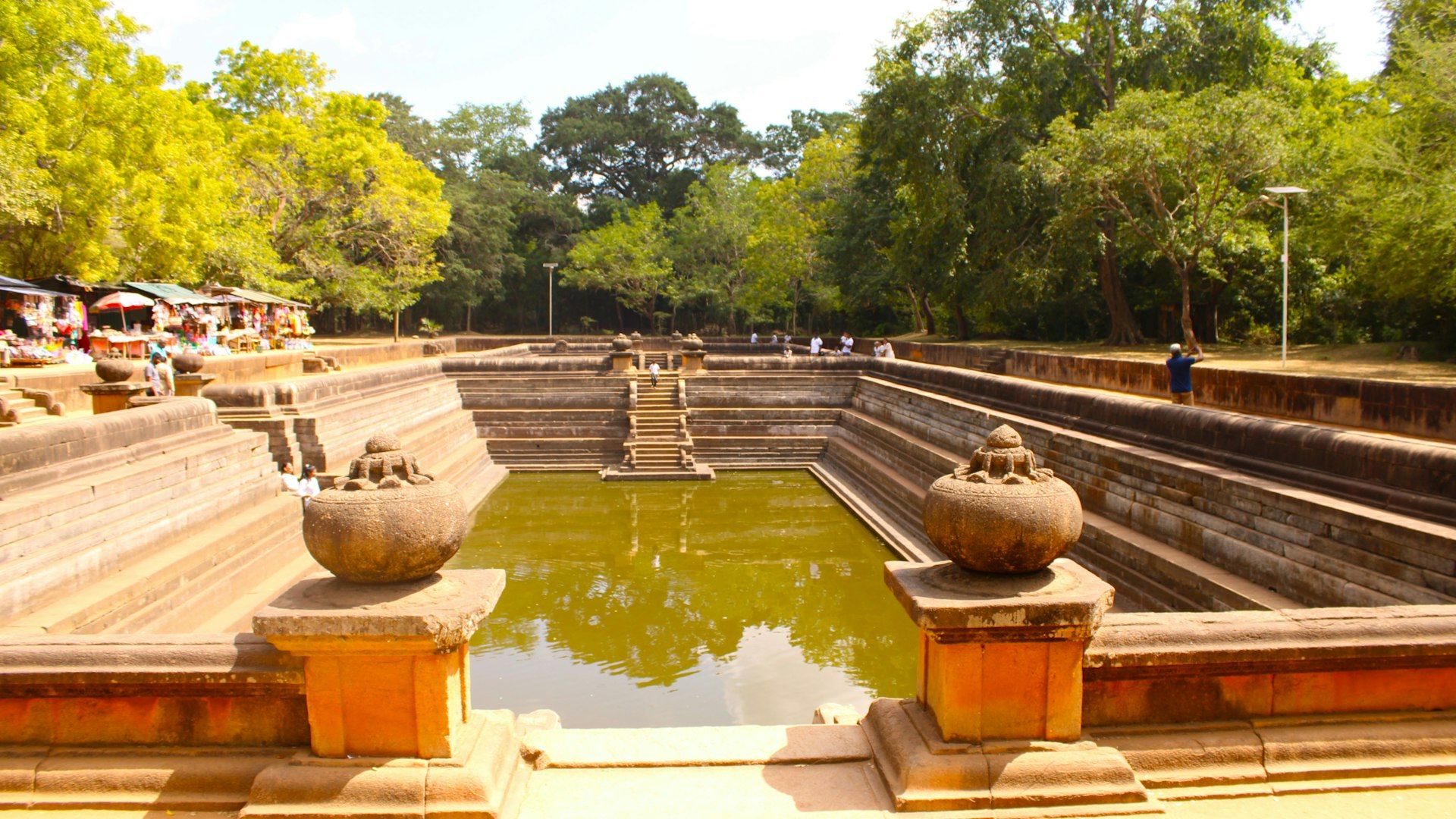
Kuttam Pokuna (Twin Ponds)
Kuttam Pokuna (Twin Ponds) shows the precision of ancient Sinhalese water engineering, with symmetrical bathing tanks for resident monks.
Mihintale, 13km away, marks where Buddhism was introduced to Sri Lanka in 247 BCE, reached by 1,840 stone steps.
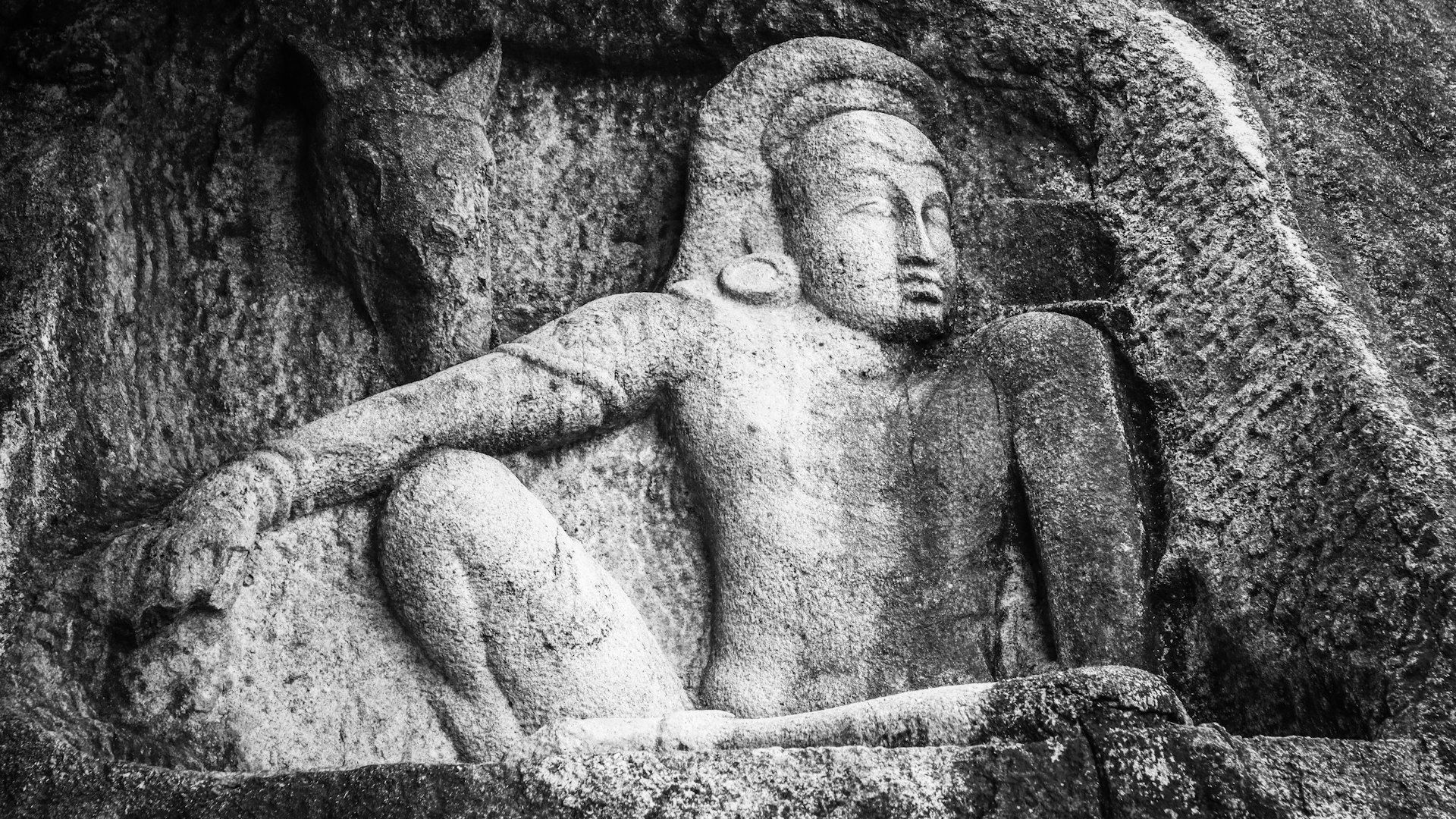
Samadhi Buddha Statue (Mahamevnawa Park)
The Samadhi Buddha statue, carved around the 4th century, sits in a meditation pose copied across the island since.
Where to Stay
Areas to consider in Anuradhapura